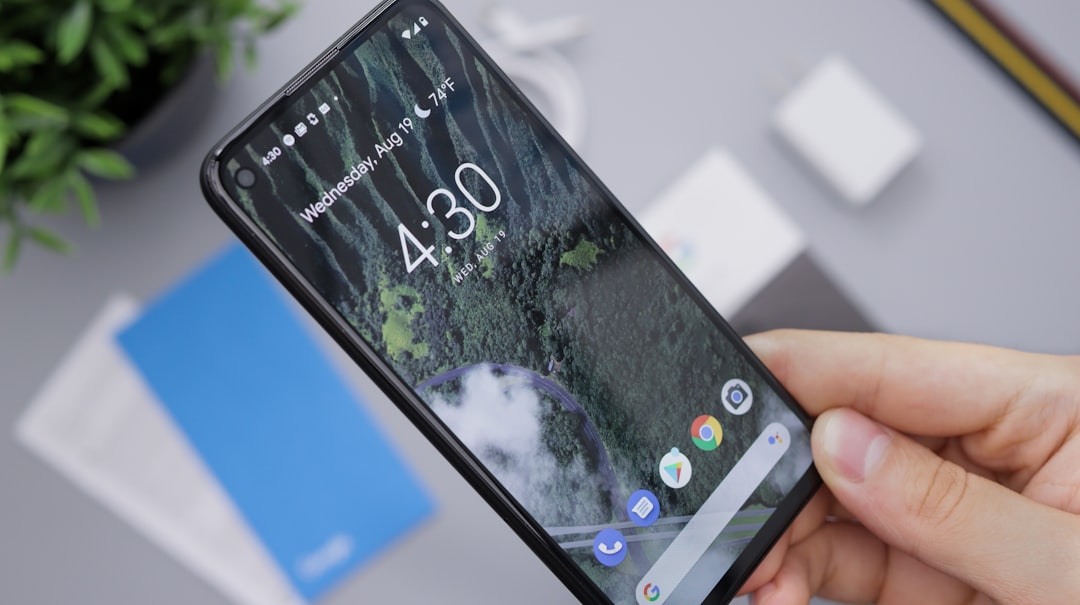
Spam Text Lawyer in Rhode Island: Navigating the Intersection of Legislation and Technology
Introduction
In the digital age, the phenomenon of unsolicited text messages, commonly known as "spam texts," has become a ubiquitous nuisance. The rise of these unwanted communications has necessitated a robust legal framework to protect individuals' rights and privacy. Rhode Island, a state in the United States, has taken a proactive stance in this area by employing specialized attorneys to address spam text issues. This comprehensive article delves into the intricacies of "spam-text-lawyer-rhode-island," its significance, and its role within the broader context of legal and technological advancements. Readers will gain an understanding of the global impact, economic considerations, policy regulations, and future prospects of this specialized field.
Understanding Spam-Text-Lawyer in Rhode Island
A "spam-text-lawyer" in Rhode Island is a legal professional who specializes in addressing the issues arising from unsolicited text messages. These lawyers work within the framework of state and federal laws to protect consumers from invasive and deceptive practices associated with spam texts. They handle cases involving privacy violations, fraudulent schemes, and unwanted marketing efforts through text messaging platforms. The role of these attorneys is crucial in shaping legal precedents and ensuring compliance with communication regulations.
Global Impact and Trends
The issue of spam texts transcends national borders, affecting consumers worldwide. As global telecommunication networks expand, so does the reach of spammers. Countries are responding with varying degrees of legislation to curb this influx of unwanted messages. The trends indicate a growing need for international cooperation and harmonized legal frameworks to effectively combat spam texts. Regions with stringent anti-spam laws report lower instances of spam text activity, illustrating the efficacy of well-designed legal measures.
Economic Considerations
Spam texts not only disrupt individual lives but also have broader economic implications. They can undermine consumer trust in businesses and telecommunication companies, potentially leading to decreased investment and economic growth. The cost of spam texts extends beyond the financial impact on businesses that are wrongly implicated; it includes the resources spent by legitimate enterprises to protect their reputation and the economy as a whole. "Spam-text-lawyers" play a critical role in mitigating these economic challenges by enforcing laws that deter spammers and promote fair market practices.
Technological Advancements
Technological innovations have significantly impacted the field of spam text regulation. Advancements in machine learning and artificial intelligence have led to more sophisticated methods for detecting and preventing spam texts. These tools enable law enforcement agencies, including "spam-text-lawyers," to monitor and act upon suspicious activities with greater efficiency. As technology continues to evolve, future advancements may include real-time detection systems and automated legal actions against spammers.
Policy and Regulation
The regulatory landscape for spam texts is complex, involving a mix of federal and state laws. In Rhode Island, the Consumer Protection Act and the Telephone Consumers Protection Act (TCPA) provide the legal foundation for combating spam texts. These acts outline consumer rights, define unlawful texting practices, and establish penalties for violations. The continuous evolution of these policies reflects the dynamic nature of digital communication challenges.
Challenges and Criticisms
Despite the efforts of "spam-text-lawyers" and policymakers, the battle against spam texts is fraught with challenges. These include the rapid evolution of technology used by spammers, the international nature of spam operations, and the need to balance consumer protection with respect for privacy and free speech. Critics argue that current regulations may be overly burdensome on legitimate businesses or insufficient in truly protecting consumers. Strategies to overcome these issues involve strengthening cross-border legal agreements, refining enforcement practices, and fostering innovation in anti-spam technology.
Case Studies
Several case studies illustrate the successful application of spam text laws in Rhode Island. For instance, a landmark case involved a company that sent millions of unsolicited texts, ultimately leading to significant fines and a shift in industry practices. Another case highlighted the importance of consumer education on recognizing and reporting spam texts. These cases underscore the effectiveness of legal action in deterring spam text activities and the role of "spam-text-lawyers" as protectors of consumer rights.
Future Prospects
The future for "spam-text-lawyer-rhode-island" is one of continuous adaptation to new challenges. With the advent of more sophisticated communication technologies, such as 5G networks, the potential for spam text abuse may increase. However, this also presents an opportunity for advancements in legal frameworks and anti-spam technologies. The future holds promise for a more secure digital communications landscape where consumers' rights are fully protected, and businesses operate within clear regulatory boundaries.
Conclusion
The specialized role of "spam-text-lawyers" within Rhode Island's legal system is indicative of the broader global efforts to address the pervasive issue of spam texts. The interplay between policy, technology, and law in this field demonstrates the importance of a multifaceted approach to consumer protection and the maintenance of fair digital communication practices. As technology continues to advance, so too must the legal systems that govern it, ensuring that "spam-text-lawyer-rhode-island" remains at the forefront of safeguarding consumers' rights in an increasingly connected world.
FAQs
-
What is a spam-text-lawyer in Rhode Island?
A spam-text-lawyer in Rhode Island is a legal professional who specializes in addressing issues related to unsolicited text messages, enforcing consumer protection laws, and handling cases involving privacy violations and fraudulent activities.
-
What laws govern spam texts in Rhode Island?
In Rhode Island, the Consumer Protection Act and the Telephone Consumers Protection Act (TCPA) are the primary laws that govern spam texts, providing a legal framework for consumer rights and protections.
-
How do spam-text-lawyers contribute to combating spam texts?
Spam-text-lawyers contribute by enforcing existing laws, representing consumers in court, advocating for stronger regulations, and working with technology companies to develop more effective anti-spam measures.
-
What are the global implications of spam texts?
The global implications of spam texts include impacting consumer trust, influencing economic activity, and necessitating international cooperation to establish harmonized legal frameworks across different countries.
-
How can consumers protect themselves from spam texts?
Consumers can protect themselves by reporting suspicious texts to the appropriate authorities, opting out of text message subscriptions, being cautious about responding to or clicking on links in unsolicited texts, and installing anti-spam apps on their devices.
-
What are some of the challenges faced by spam-text-lawyers?
Some of the challenges include keeping up with rapidly evolving technology used by spammers, dealing with the international nature of spam operations, and ensuring that enforcement actions do not unreasonably infringe upon legitimate businesses or consumers' rights to privacy and free speech.
-
What does the future hold for spam text regulation?
The future holds a continued need for evolution in legal frameworks and anti-spam technologies to adapt to new communication platforms, protect consumer rights, and maintain fair digital communication practices.
February 24, 2026
Spam Text Lawyer Rhode Island Expert
In Providence County and Rhode Island, sophisticated spam text scams target personal data and financial services. Combat these threats by verifying message authenticity, scrutinizing urgency and sensitive data requests, checking sender numbers, installing anti-spam apps, and staying informed. Report.......
Read more →
February 23, 2026
Spam Text Lawyer Rhode Island Expert
Unsolicited text messages (spam) are prevalent in Cumberland, Rhode Island, but state laws protect residents. Block senders, report messages, and document records for potential legal action with the help of Spam call lawyers Rhode Island. Identify spam by frequent unknown numbers, generic greetings,.......
Read more →
February 23, 2026
Spam Text Lawyer Rhode Island Expert
Navigating the Telephone Consumer Protection Act (TCPA) in Cranston, Rhode Island, is crucial to avoid substantial fines and brand damage. The TCPA prohibits unsolicited automated calls, texts, and faxes. Businesses must obtain explicit consumer consent before automated communications and provide cl.......
Read more →
February 23, 2026
Spam Text Lawyer Rhode Island Expert
North Kingstown residents face growing spam text issues from unknown senders. Federal laws like the TCPA protect against unsolicited texts, but enforcement is complex with out-of-state senders. A Spam Text Lawyer Rhode Island guides clients through these complexities, helps file FTC complaints, and.......
Read more →
February 14, 2026
Spam Text Lawyer Rhode Island Expert
Spam texts are a pressing issue in Providence, Rhode Island, impacting 70% of adults weekly. The Spam Call law firm handles complaints, enforcing state regulations against deceptive marketing practices. Solutions involve public education on reporting spam, technical blocking tools, and community awa.......
Read more →
February 14, 2026
Spam Text Lawyer Rhode Island Expert
Spam Text Rhode Island is a growing concern, with automated systems sending unsolicited messages to residents' phones. In Woonsocket, identifying spam involves scrutinizing frequent, unknown number messages promoting products or services. Legal consequences for illegal text messaging include fi.......
Read more →
February 14, 2026
Spam Text Lawyer Rhode Island Expert
Rhode Island has strengthened its anti-spam measures with updated laws, led by the Spam Call law firm Rhode Island. Key changes include expanded definitions of abusive practices, stricter restrictions on automated calls, and increased penalties for non-compliance, emphasizing explicit consent for ro.......
Read more →
February 14, 2026
Spam Text Lawyer Rhode Island Expert
In Rhode Island, the Telephone Consumer Protection Act (TCPA) restricts automated calls to mobile phones without consent. The Rhode Island Division of Securities enforces TCPA compliance through consumer complaints. A Spam Call law firm Rhode Island provides expert guidance on call tracking and docu.......
Read more →
February 12, 2026
Spam Text Lawyer Rhode Island Expert
Spam texts pose a significant challenge for businesses in Richmond, Rhode Island, impacting profitability and customer trust. With over 70% of Americans receiving spam messages daily, local businesses face legal repercussions under the state's Spam Call laws, particularly the RITCPA. To combat.......
Read more →
December 5, 2025
Spam Text Lawyer Rhode Island Expert
Spam texts pose a significant challenge in Providence, Rhode Island, impacting residents and businesses through sophisticated delivery methods like SMS and mobile apps. Scammers target personal and business lines with urgent payment demands from spoofed local utility companies. The increase in spam.......
Read more →